

Category 5 Hurricane Milton has been labeled the “hurricane of the century” and is expected to hit Florida, making evacuations a matter of life and death. Meanwhile, a new scientific study reveals that hurricanes and tropical storms in the United States are associated with higher mortality rates for 15 years after they occur.
Official government statistics only record the number of people killed during these storms, called tropical cyclones. Typically, these immediate deaths, which official estimates average 24 per storm, occur from drowning or some other trauma. However, the new analysis, published in Naturer eveals a higher number of deaths.
Hurricanes are still deadly 15 years later
“We found that in each month, people died earlier than they would have if the storm had not hit their community,” said the study’s senior author, Dr. Solomon Hsiang, a professor of environmental and social scientists at the Stanford Doerr School . of Sustainability.
“There will be a big storm and there will be all these ripple effects, where cities will be rebuilt, families will be displaced and social networks will be destroyed. All this has serious consequences for public health.”
According to researchers’ estimates, an average tropical cyclone in the United States indirectly causes between 7,000 and 11,000 additional deaths. In total, tropical storms since 1930 are estimated to have killed 3.6 to 5.2 million people in the United States. According to official government statistics, the total death toll from these storms is around 10,000 people.
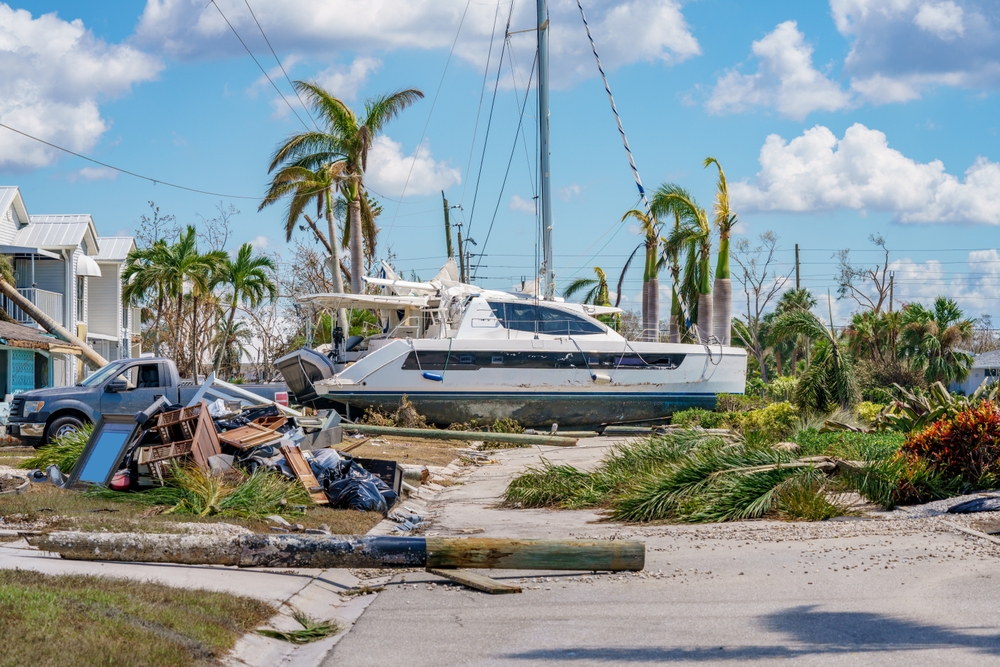
Ripple effects
The new estimates are based on a statistical analysis of data from the 501 tropical cyclones that struck the Atlantic and Gulf coasts of the United States from 1930 to 2015 and on mortality rates for various populations in each state shortly before and after each hurricane.
The researchers studied the issue following a 2014 study by Dr. Solomon Hsiang showing tropical cyclones slow economic growth for 15 years and a 2018 Harvard study pointing out that Hurricane Maria caused nearly 5,000 deaths in three months after the storm hit Puerto Rico, nearly 70 times the official count.
“When we started, we thought we might observe a delayed effect of tropical cyclones on mortality, perhaps for six months to a year, similar to heat waves,” the researchers report. The findings show that hurricane deaths remain at very high rates not just for months but for years after floods have receded and after public attention has shifted to other issues.
Life-saving interventions
Based on the current study, researchers are trying to understand why tropical storms and hurricanes are associated with higher mortality rates even 15 years later.
Drawing on economics, data science and social sciences, they will seek to answer policy questions central to the management of planetary resources, often linked to the impacts of climate change.
When considering hurricane mortality risk, the challenge is to untangle the complex effects of tropical storms that can affect health and then identify potential interventions, the researchers note.